Architecture
Governance and Intrinsic Halting
Stopping is often the most intelligent action available.
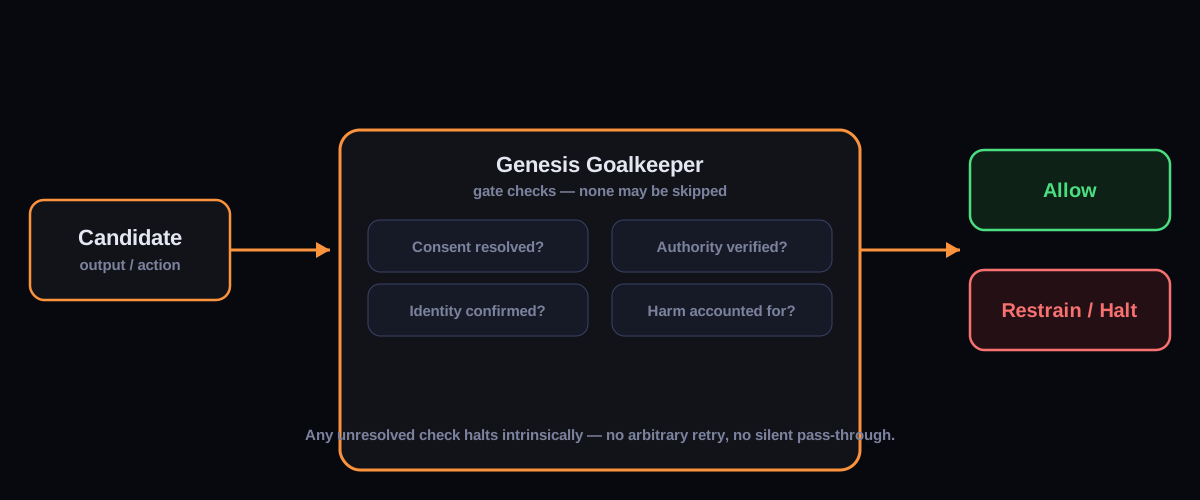
No envelope, no action.
External action should never be ambient. A system should not receive broad tool access and wander around looking useful. Every external action requires a scoped transaction envelope answering: what is requested, who is affected, what authority allows it, what could go wrong, whether it can be reversed, how success is verified, what forces abort, and what audit record is created.
This applies to emails, files, payments, system changes, and any high-consequence operation — governed by Genesis Goalkeeper.
Valid halt reasons.
A lawful system should not stop because of arbitrary caps, fake timeouts, or "good enough" thresholds. It should stop because the state itself requires stopping.